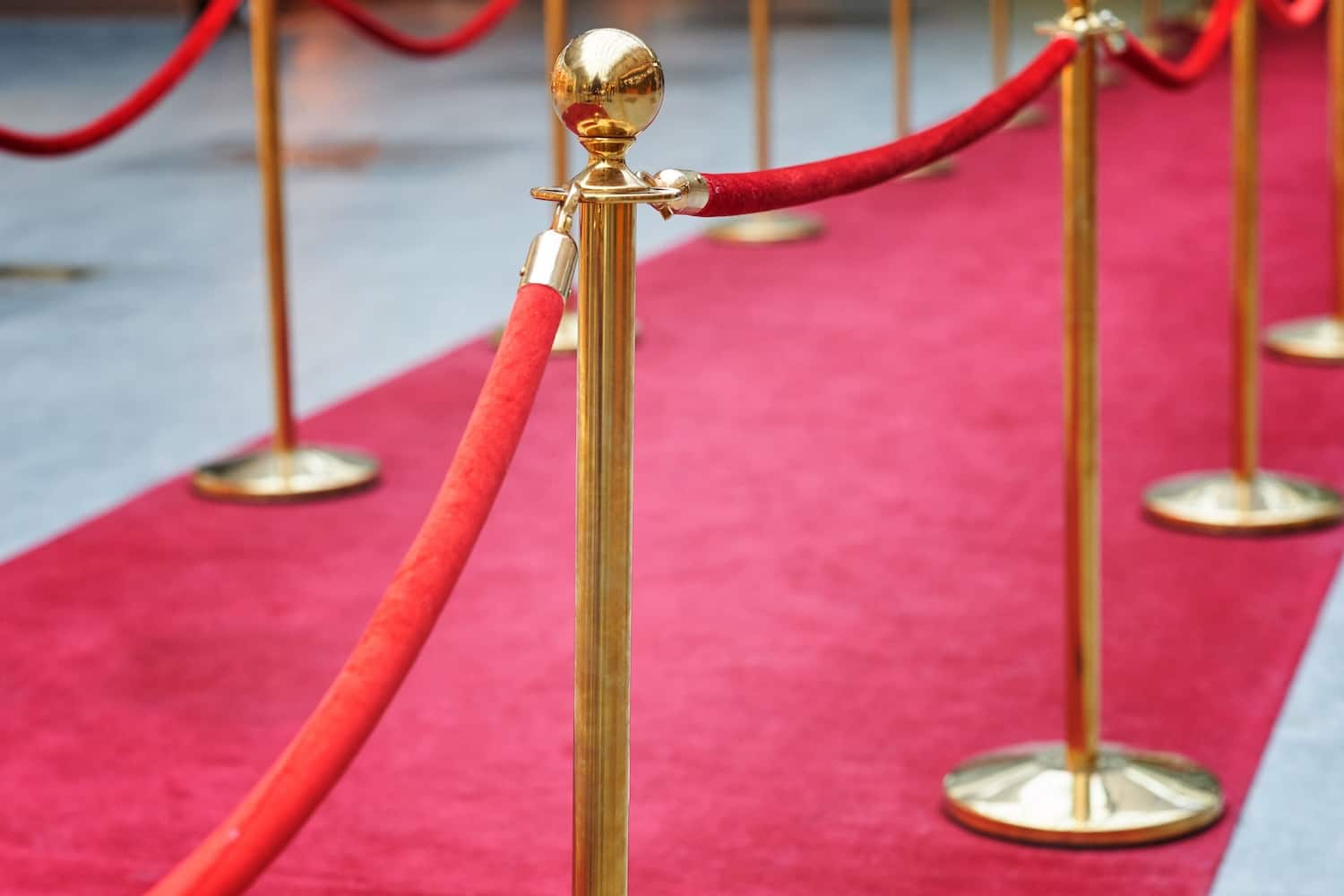
At the 2026 Met Gala a technology billionaire was lead sponsor for the first time and the event raised a record $42 million. Outside, thousands protested. Amazon had sponsored in 2012 without objection. What changed is not the amount but the public expectation about how legitimacy is earned.
May 4, 2026. New York. The steps of the Metropolitan Museum of Art saw the familiar parade of famous faces. But this year something was different.
For the first time in its history, the Met Gala's lead sponsor was a technology billionaire. Jeff Bezos and his wife Lauren Sanchez Bezos contributed a reported 10 million dollars, setting a new record. The event raised 42 million dollars in total. Silicon Valley took over the red carpet: Zuckerberg, Google co-founder Sergey Brin, the founder of Snapchat, OpenAI's head of partnerships. It was not fashion money that owned the evening. It was tech money.
And outside, thousands of people were protesting.
Why Was Money Not Enough?
Bezos's sponsorship was not entirely new. Amazon had supported the Met Gala back in 2012. No one made this much noise then.
The difference is timing. In 2026, wealth alone no longer generates sympathy. More precisely: people no longer treat wealth and legitimacy as the same thing.
The list of grievances against Bezos is long. Allegations that Amazon provides technology support to ICE operations. Plans to replace 600,000 workers with robots. The dismantling of the Washington Post as the second Trump administration settled in. His attendance at Trump's inauguration. The city of Venice rented out for a star-studded wedding aboard a 500-million-dollar yacht.
Each of these had surfaced separately. But becoming the lead sponsor of the Met Gala did something specific: it placed all of them inside a single, visible frame.
Activists planted fake posters in the New York subway. A counter-event was organized on the streets: the Ball Without Billionaires. New York's new mayor declined the invitation. Bezos and Zuckerberg entered the museum through a side entrance, skipping the carpet entirely. Celebrities criticized the event on social media. Senator Bernie Sanders tallied it up: 10 million dollars on the Met Gala, 120 million on a penthouse, 500 million on a yacht. And 600,000 workers facing unemployment. Variety did not mince words: 'The Bezos Ball.'
Cultural Capital Has Changed Hands
The Met Gala has always been a celebration of the elite. That is not new. But the sponsor has always been a fashion house: Vogue, Gucci, Chanel. A name that came from within the world of aesthetics.
This year, for the first time, tech money purchased the stage directly. And that is precisely where the paradigm broke.
The fashion world generates legitimacy through aesthetics. The tech world speaks an entirely different language: innovation, growth, scale. Where these two languages collided, a tension emerged. Bezos attempted to buy a form of cultural prestige. But culture has its own rules, and those rules did not cooperate.
Trust Is Now Built Differently
Watching all of this unfold, I found myself thinking about the 2026 Edelman Trust Barometer. Globally, 70 percent of people say they are unwilling to trust individuals whose values, information sources, or approaches to issues differ from their own. The most trusted institution is now the employer. Trust in governments, media, and large corporations continues to erode.
The Bezos case made this abstract finding concrete. Money cannot buy legitimacy. On the contrary, the excessive visibility of wealth deepens the trust deficit. When 10 million dollars is spent, what registers is not a generous act of philanthropy but the purchase of a reputation.
Because people are now asking: Where did this money come from? Who paid for it? And who was left outside?
What Does This Tell Us?
The Met Gala is a cultural event. But it carries something much larger inside it.
The entry of tech capital into cultural space is generating a new kind of friction. The visibility of wealth no longer automatically produces prestige; it produces accountability. And people are responding to power figures whose values feel misaligned with their own in ways that are far more organized and far faster than before.
This speaks to the corporate world as well. For companies, leaders, and institutions, building trust can no longer rest on financial success or visibility alone. Without values that are concrete and genuine, without real transparency and accountability, any prestige that is purchased tends to work in reverse.
Money opens doors. But to pass through the doors that money opens, values must be visible, credible, and genuinely oriented toward the common good.
Recognizing this shift matters, for individuals and institutions alike. Because the game has genuinely changed.