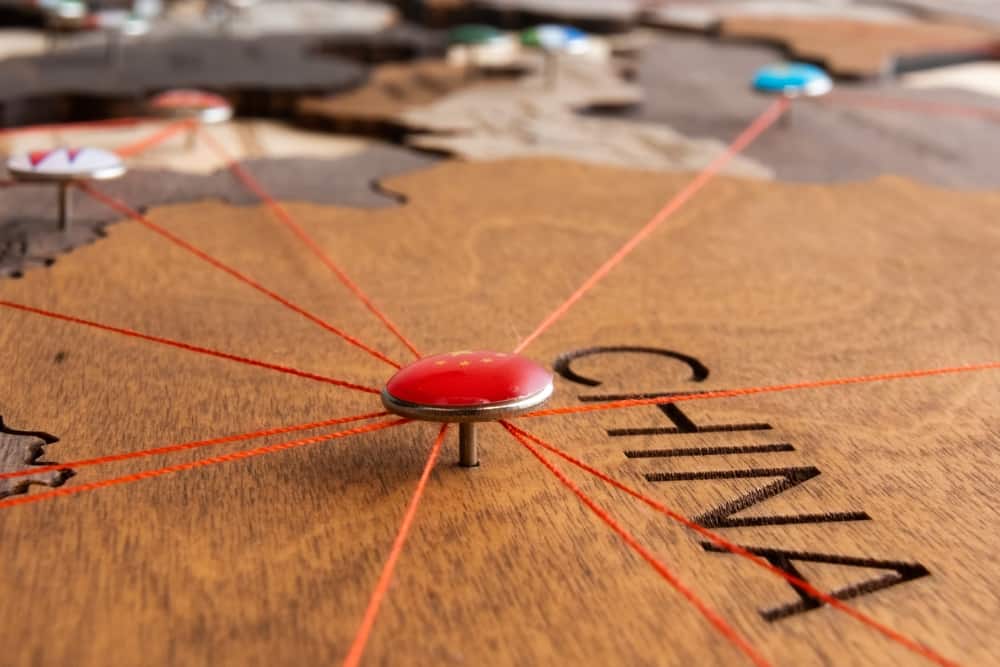
Global capital does not only cross borders; it brings business cultures, relationship norms and decision-making styles to the table. China's investment approach increasingly rests on relational ground and cultural fit, which makes social acceptance as necessary as legal predictability in host countries.
Global capital does more than cross borders. It brings with it the business cultures, relationship models, and decision-making approaches of the countries involved. Collaborations with actors such as China, which has a strong and distinctive investment tradition, turn the ability to manage cultural differences into a strategic necessity.
In recent years, China’s investment approach has moved beyond purely physical projects toward a model that prioritizes relationships and cultural alignment. This shift requires an interaction framework in host countries that centers not only on legal predictability, but also on social acceptance, communication styles, and mutual trust.
In strategically positioned countries such as Türkiye, there are often far more “unarticulated tensions” than visible disputes. Over time, these latent tensions can slow progress, undermine trust, and threaten the continuity of investments. At precisely this point, intercultural mediation functions not merely as a dispute resolution method, but as an early warning mechanism.
Managing cultural differences is rarely about formal documents alone. It is reflected in the tone of meetings, expectations around decision-making speed, the meaning attributed to silence, or how proposals are presented. Recognizing these differences in time makes it possible to develop an appropriate relationship language before disputes arise. This capability is increasingly moving to the top of investors’ priority lists.
How Do Cultural Differences Affect Investment?
In collaborations with Chinese investors, the most significant challenges generally stem not from legal or technical issues, but from differences in how parties perceive relationships and processes. Chinese business culture tends to be sensitive to hierarchy, grounded in long-term trust-building, and inclined toward indirect communication. In Türkiye, by contrast, business interactions are often more direct, flexible, and negotiation-oriented.
While these differences may initially appear minor, they shape every aspect of interaction, from decision-making processes and project implementation to negotiation styles and responses during moments of crisis. For Chinese investors, trust is built gradually through consistency and time, whereas Turkish counterparts often expect trust to form more quickly. This divergence in expectations can create silent tension between the parties.
Similarly, because certain cultural codes avoid confrontation or refrain from expressing conflict openly, disagreements may go unnoticed before they fully emerge. Yet the signals are often present: a slowing pace of discussions, ambiguous language, hesitation, or details that fail to receive approval. Intercultural mediation intervenes at this stage, translating these signals for the parties and building bridges before conflict escalates.
What Does Intercultural Mediation Provide?
The core function of this approach is not limited to resolving problems. It is about building trust, sustaining communication, and strengthening the social foundation of an investment. Intercultural mediation makes visible the “invisible walls” that slow cooperation, enables parties to understand one another more clearly, and re-establishes the framework needed to reach shared objectives.
Today, it is increasingly evident that success in strategic investments depends not only on contracts, but also on relationship architecture. Approaching collaborations with Chinese investors from this perspective makes it possible not only to keep projects moving forward, but also to establish long-term and sustainable partnerships.
In processes involving investors from different countries, success is shaped not solely by technical negotiation, but also by relationship language, expectation management, and cultural awareness. My experience in this field demonstrates that intercultural mediation plays a critical role not only in moments of crisis, but even at the very first stages of a relationship.