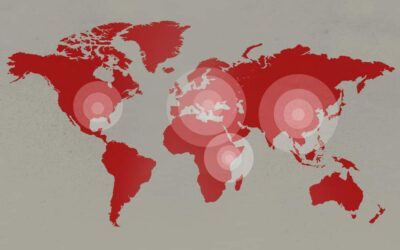

Climate negotiations are no longer merely technical processes driven by scientific targets, carbon levels, or financial commitments. COP30, held in Belém, made this reality strikingly clear. Climate diplomacy today is less about a “climate issue” and more about envisioning how we imagine a shared future on this planet—it has become a field of conflict resolution. That’s why I followed the summit as a mediator would: observing the parties’ positions, the root causes of disagreements, the search for common ground, and the well-intentioned yet fragile progress.
The most debated issue at the summit was the phase-out of fossil fuels. A group of 88 countries called for a clear message supporting a “gradual phase-out,” but this collective will was not reflected in the final statement. A bloc formed by fossil fuel-producing countries and some developing economies, citing energy security, effectively neutralized this demand. There was a clear conflict—but no resolution model. A deadlock. Mediators know: if parties frame the same issue from different perspectives without developing a shared language, the conflict is not resolved—it’s merely postponed. And that is exactly what happened. The issue of fossil fuels has been passed on to COP31.
The issue of climate finance proved even more complicated. Tripling adaptation funds was announced, but this remains merely a target. There is still no clarity on when, how, by whom, and under what criteria the funds will be distributed. Here, too, we see a negotiation vacuum. Developed countries prefer making commitments over providing actual funding, which only deepens the trust deficit. Parties are still sending each other “letters of intent,” while what the world now needs is a legally binding agreement.
Article 6, which regulates carbon markets, faced a symbolic-level impasse. Is transparency more important, or national flexibility? Security or efficiency? As a negotiator, I know these dualities are rarely solved with technical fixes; they require philosophical reflection. The inability to make progress on this article reflects not just regulatory shortcomings but also a lack of trust. Parties want to operate within the same system, but they are not willing to open their books to one another.
One of the most impactful topics for me was nature-based solutions. Brazil’s proposed forest protection fund was not just financial—it offered an ethical model. More importantly, the promises made to recognize 160 million hectares of land belonging to Indigenous communities showed that decision-makers are at least beginning to perceive the imbalance between the “center” and the “periphery.” In this topic, parties seemed more open to hearing each other. And this is a fundamental gain in mediation: being heard. In negotiations, people first want to be heard—before being proven right.
Unfortunately, gender did not receive as prominent a focus. However, the adoption of the new Gender Action Plan was a critical milestone. The plan, which envisions active participation of women, Indigenous peoples, and youth in climate processes, is valuable in making visible the often-invisible dimensions of social justice. In negotiation settings, those most affected are usually the ones with the least voice. If this time a space was opened in their favor, then the process has, to some extent, moved forward.
The topic of trade, on the other hand, was more confrontational. The European Union’s carbon-based trade measures faced significant criticism from developing countries. This issue progressed more as a defense of positions. Parties didn’t try to persuade one another; they merely stated their own justifications. But negotiation is not just about speaking—it’s about being ready to understand.
In conclusion, my overall impression was this: COP30 was a summit of unmet needs for constructive dialogue. Parties agreed to stay at the table, but instead of bringing concrete solutions, most laid out their concerns. This served more to defer the issues than to resolve them—pushing them forward to the next summit.
And now, all eyes are on Antalya. In 2026, Turkey will host COP31, where unresolved files from Belém will be reopened and some may finally be closed. Hopefully, this time, instead of further postponements, we will witness a new climate negotiation culture built on peaceful methods, collective responsibility, and inclusive dialogue.
Because solutions belong not only to those who sign the agreements, but also to those who wait to be understood.
And let’s not forget: in these processes, what remains unsaid can be just as important as what is spoken. Understanding and constructively representing those silences at the negotiation table is a critical need—one that makes the inclusion of experts, facilitators, and mediators just as vital as the presence of decision-makers at COP31.
References
– COP30 Official Website: https://cop30.br/
(the image used in this text was sourced from the official website)