
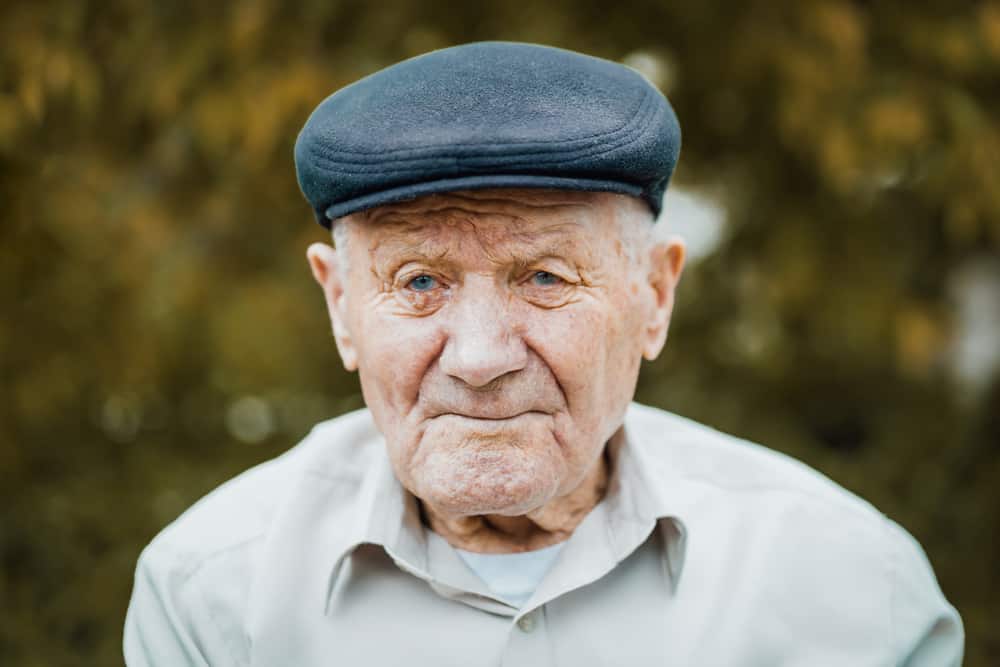
There was a tale I heard as a child—one whose impact never faded over the years: Grandpa Ali and the Wooden Bowl.
Grandpa Ali had grown old. His eyesight was failing, and his hands were trembling. When he ate at the table, he spilled food and made a mess. His daughter-in-law and son were displeased. One day, they moved Grandpa Ali to a small shed outside the house. He was now given food in a wooden bowl.
Little Selim, their grandson, was deeply saddened by this and one day, he picked up some wooden pieces and said:
“I’m making a wooden bowl for you. You’ll need it when you grow old, too.”
When I first heard this story, I was a child. What came to life in my mind wasn’t the image of an old man being pushed aside, but a child with a strong sense of justice. Years passed, I became a lawyer. I encountered mediation. But that story still deeply shapes how I relate to the elderly.
Aren’t the Elderly Parties to Disputes?
Many people think that elderly individuals are not involved in legal disputes. Yet the elderly are often at the center—directly or indirectly—of issues such as family conflicts, inheritance, caregiving, or guardianship. But it’s not just about rights or demands. The real issue is how they are included in the process.
Sometimes, they cannot speak for themselves. Sometimes, they are limited to being represented. And often, even when the matter concerns them, they are not truly part of the decision-making. Just like Grandpa Ali in the story—there, but unheard.
Why Is Elder Mediation Different?
Mediation processes involving elderly individuals require not just technical knowledge but deep human understanding. Because the subject is often not a property—but a matter of dignity.
What an elderly person truly needs is to be included in the process, to be genuinely represented, and to be treated with real respect.
For this reason, elder mediation is:
- Emotionally intense,
- In need of careful monitoring of cognitive awareness,
- Often involving multiple generations,
- A communication-sensitive and specialized field.
Representation or Participation?
In mediation, elderly individuals are often represented by an attorney, child, guardian, or expert. But this representation does not always reflect their true intentions and needs. An elderly person’s posture, eye contact, even their silence can sometimes be the strongest message. To truly “hear” them, legal knowledge alone is not enough; human warmth is also required.
Models like the “elder advocate” used in some countries propose an independent support person to accompany the elderly during the process. This goes beyond representation—it protects the right to participation. Because old age does not mean an inability to decide; it sometimes simply means needing more time to decide.
A Parable, A Principle
Grandpa Ali’s story doesn’t only show us how we should treat the elderly, but also reminds us what should lie at the heart of today’s understanding of mediation: humanity.
Justice is possible only where everyone can speak with an equal voice. Ensuring that elderly voices are heard is not just a matter of respecting them—it reflects our respect for the future we all share.
And if one day we are all going to grow old, we must have something to say about how that process is managed. Both as individuals and as mediators.