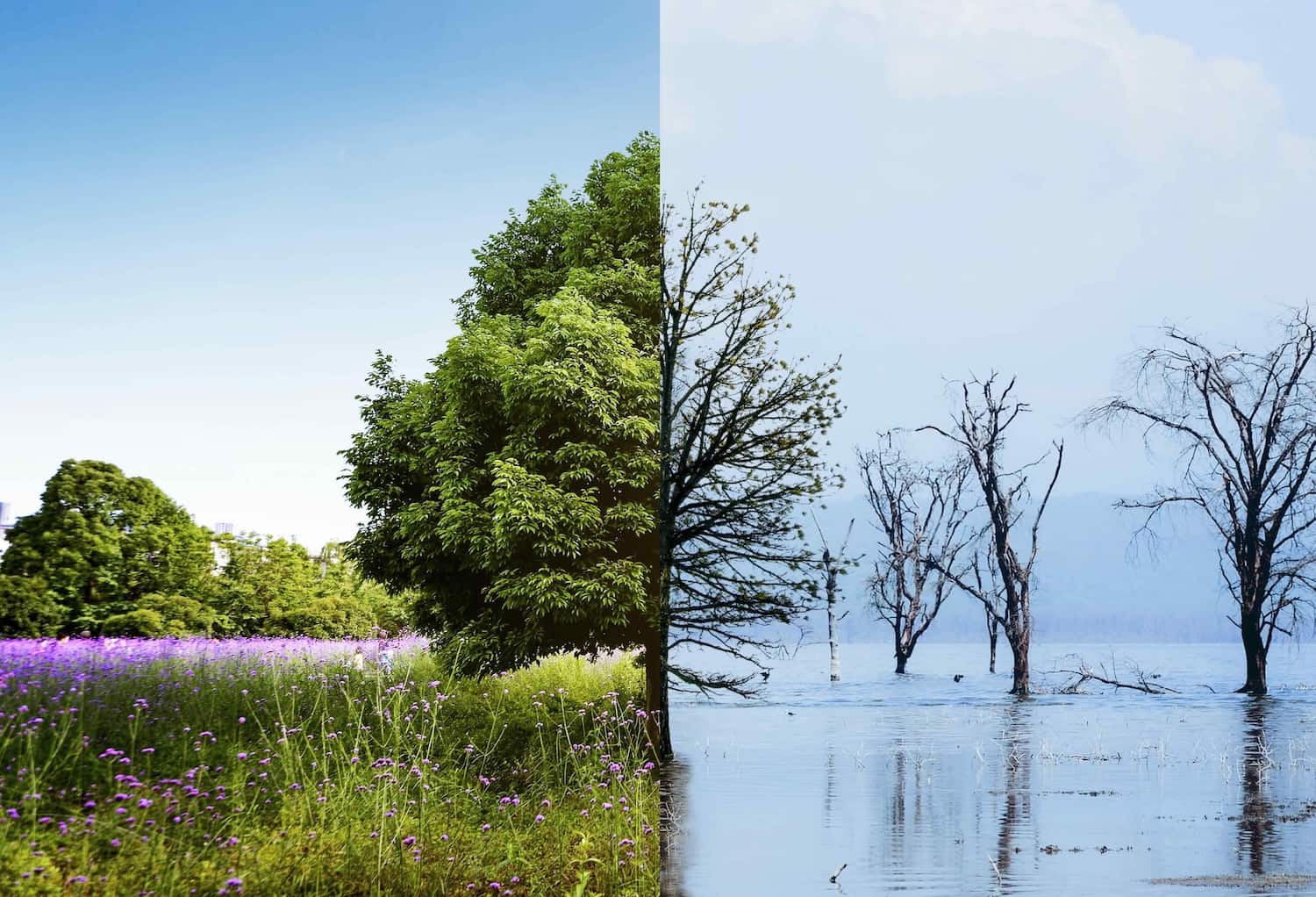
Europe's forest fires are no longer an environmental headline but the signal of a new economic order. Yet the capacity to adapt to uncertainty is not only about infrastructure, insurance or financing: an institution's ability to manage disputes is an inseparable part of that capacity.
Prof. Dr. Çisil Sohodol, in her recent Dünya newspaper column titled “The New Face of the Climate Crisis: The Risk Economy,” makes a striking observation: the wildfires across Europe are no longer an environmental news item, but the herald of a new economic order. Investment decisions, trade policy, and international competition are being reshaped in the shadow of climate risk. As Sohodol emphasises, the winner of the future will not be the strongest or the largest, but the one best able to adapt to uncertainty.
This observation is accurate and important. But it deserves to be taken one step further. Because the capacity to adapt to uncertainty is not only a matter of infrastructure, insurance, or financing. For an institution, a city, or a state to genuinely manage risk, it must also be able to manage the disputes that arise the moment that risk materialises.
What Emerges When Risk Materialises: Disputes
The picture Sohodol describes is, in effect, a dispute production line. Between a facility operating in a water-stressed basin and the local community sharing that water; between a company whose supply chain is disrupted by fire or drought and a supplier unable to meet its contractual obligations; between a municipality caught unprepared by a disaster scenario and the citizens expecting services from it, the moment climate risk materialises, disagreement also becomes inevitable. The risk economy is, at the same time, a dispute economy.
Resilience Also Includes the Capacity to Manage Disputes
The concept of “resilience” that Sohodol foregrounds measures how prepared institutions are for heatwaves, water stress, or disasters. But genuine resilience needs to extend one step further: to whether the disagreement that arises between parties once the risk materialises can be resolved quickly and fairly, without severing the relationship altogether. A court process that drags on for years, wears down both sides, and ultimately ends in a win-lose outcome is precisely one of the biggest obstacles to the “rapid recovery” capacity Sohodol describes.
For this reason, alternative dispute resolution methods such as mediation and structured negotiation should be seen not as a technical add-on to managing climate risk, but as a direct part of it. Flexible dispute resolution mechanisms built from the outset into a company's supply contract, a municipality's post-disaster service agreements, or an investment project's stakeholder arrangements are, much like early warning systems, a tool that limits the economic damage of risk.
The Leader of the Future Will Manage Both Uncertainty and Disputes
Sohodol defines the managers of the future as people who can read risks in advance and bring different disciplines together at the same table. One more element should be added to this definition: people who can reconcile different interests at the same table. Because the uncertainty produced by the climate crisis is not only a technical and financial problem; it is also a network of relationships that must be continually renegotiated among parties. The ability to manage this network will, in the period ahead, be a component of competitive advantage every bit as decisive as technology and capital.
Source
Çisil Sohodol, The New Face of the Climate Crisis: The Risk Economy, Dünya Gazetesi, 1 August 2026.